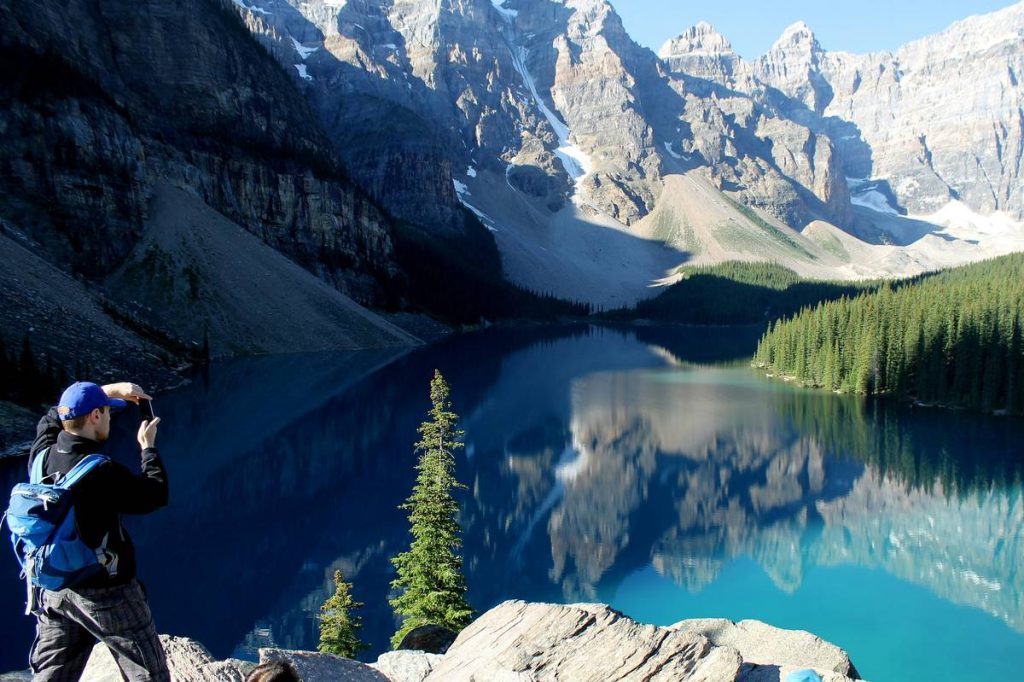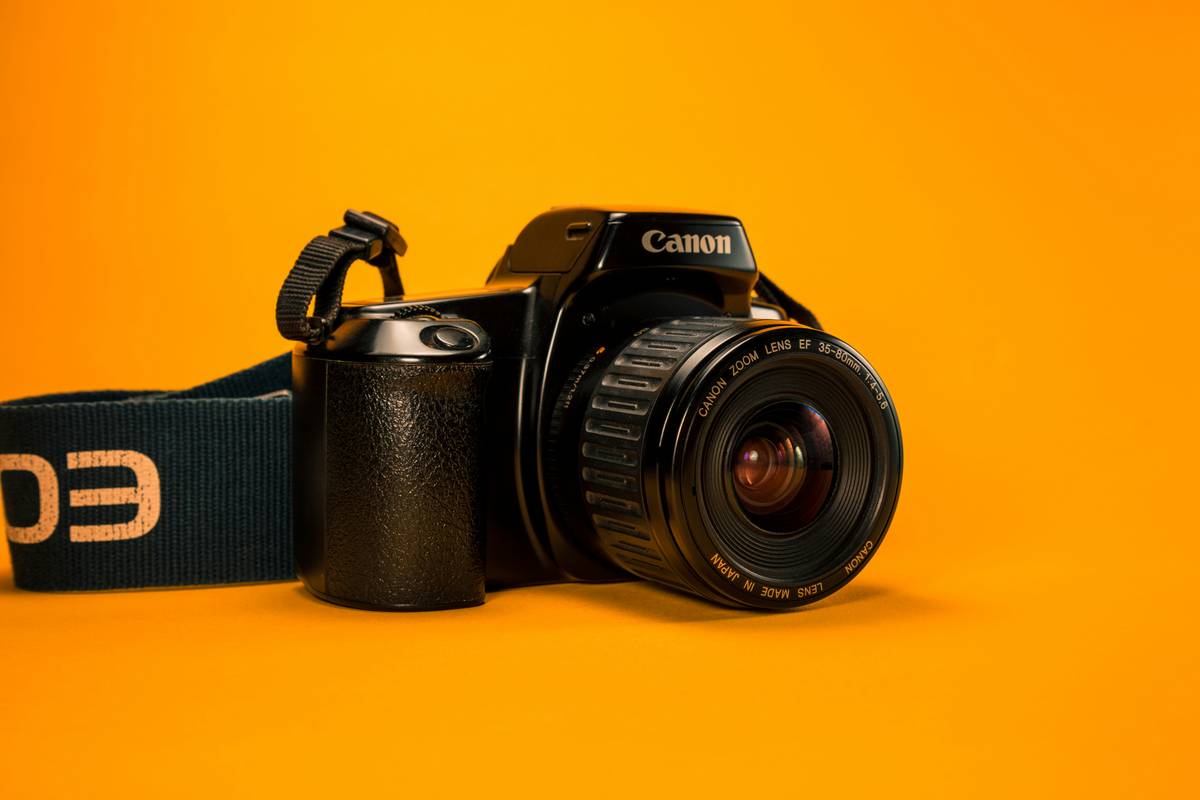
You hike for hours—sometimes days—to reach that perfect alpine meadow or misty canyon rim. You set up your tripod, screw on your prized wide angle zoom lens nature rig, and snap the shot. Back home, the image feels… empty. Flat. Like half the drama got lost between eye and sensor. And it’s not your fault. Most hiking photographers are using “landscape-optimized” gear that actually sabotages depth in real-world terrain.
Most Wide Angle Zooms Lie to You
Manufacturers tout 16-35mm zoom ranges like they’re magic wands for grand vistas. But here’s what they don’t say: those lenses often render foreground elements soft when stopped down past f/8—exactly where you’d shoot to get everything sharp during golden hour.
And distortion? Barrel warping can turn a majestic rock formation into a funhouse caricature. Worse—you’ll notice it only after you’ve descended 4,000 feet.
How to Shoot Epic Nature Scenes Without Losing Your Mind (or Your Knees)
Forget “just go wider.” Real depth comes from smart layering—not focal length alone. Here’s how to actually use your gear like a field pro:
Stop Chasing Megapixels—Start Managing Light
Dynamic range matters more than resolution when your scene spans bright sky and shadowed forest floor. Expose for highlights, lift shadows in post. Simple. Brutally effective.
Use Hyperfocal Distance Like a Surveyor
At 18mm on full-frame, your hyperfocal sweet spot is usually around f/11—if your subject starts ~2.5 feet from the lens. Closer than that? Everything beyond looks tack-sharp. Farther? You lose near detail. Carry a DOF app—but learn the rule of thumb first.
Foreground Anchor or Bust
No compelling foreground = postcard cliché. Place a textured rock, twisted root, or wildflower within arm’s reach. Your wide angle zoom lens nature setup should compress distance—not flatten it.
| Technique | Gear Needed | Time Cost | Impact Level |
|---|---|---|---|
| Hyperfocal focusing | Any manual-focus capable zoom | 30 seconds | High |
| Foreground anchoring | Knee pads + curiosity | 5–10 minutes | Critical |
| Exposure blending | Tripod + RAW shooter | 5 min shoot + post | Medium-High |
The Industry Secret: Zoom In to Go Wide
Here’s the counterintuitive truth no one admits: sometimes, backing off and using the longer end of your wide zoom (say, 28mm instead of 16mm) creates stronger depth perception. Why? Because extreme wide angles stretch perspective so much that distant peaks appear unnaturally small—killing scale.
Try this next time: stand farther back, zoom to 24mm, and let atmospheric haze do the work. The result? A layered, immersive image that feels like you could step into it—not just look at it. This trick works especially well in humid forests or coastal fog zones. Pros use it constantly. Gear reviewers ignore it.
FAQ
Is a wide angle zoom lens necessary for nature photography?
No—but it’s highly effective for vast scenes when used with strong foregrounds. Prime lenses often offer sharper results, but lack framing flexibility on rugged trails.
What’s the best aperture for wide angle zoom lens nature shots?
f/8 to f/11 typically balances sharpness and depth of field. Avoid f/16+ unless diffraction isn’t a concern for your output size.
Can I use a crop-sensor camera with a wide angle zoom for nature?
Absolutely. Just remember your effective focal length is ~1.5x longer. A 10-20mm lens acts like 15-30mm—still plenty wide if you compose deliberately.