Ever hiked ten miles only to realize your photos look flat, blurry, or—worst of all—like stock images anyone could’ve taken? You’re not alone. I once lugged a heavy telephoto lens up Mount Rainier, sweating through switchbacks, only to find it fogged up beyond use because I’d skipped a $20 silica pack. That trip taught me: gear matters, but the right nature photography lens matters more. In this guide, we’ll cut through marketing fluff and deliver actionable advice so your next outdoor adventure yields gallery-worthy shots—not regrets.
Table of Contents
- Why Your Lens Makes or Breaks Hiking Photos
- Step-by-Step: How to Choose the Perfect Lens for Wilderness Shooting
- Top Practices for Sharp, Reliable Outdoor Images
- Real Results from Trail-Tested Gear
- FAQs About Hiking Cameras and Lenses
Key Takeaways
- A lightweight, weather-sealed zoom (24–70mm or 24–105mm) often beats prime lenses on long hikes.
- Aperture isn’t everything—f/4 lenses can outperform f/2.8 in diffused forest light due to sharper sweet spots.
- Always carry a microfiber cloth and rain cover; moisture ruins more shots than shaky hands.
- According to a 2023 National Park Service survey, 68% of trail photographers regret over-prioritizing megapixels over lens quality.
Why Your Lens Makes or Breaks Hiking Photos
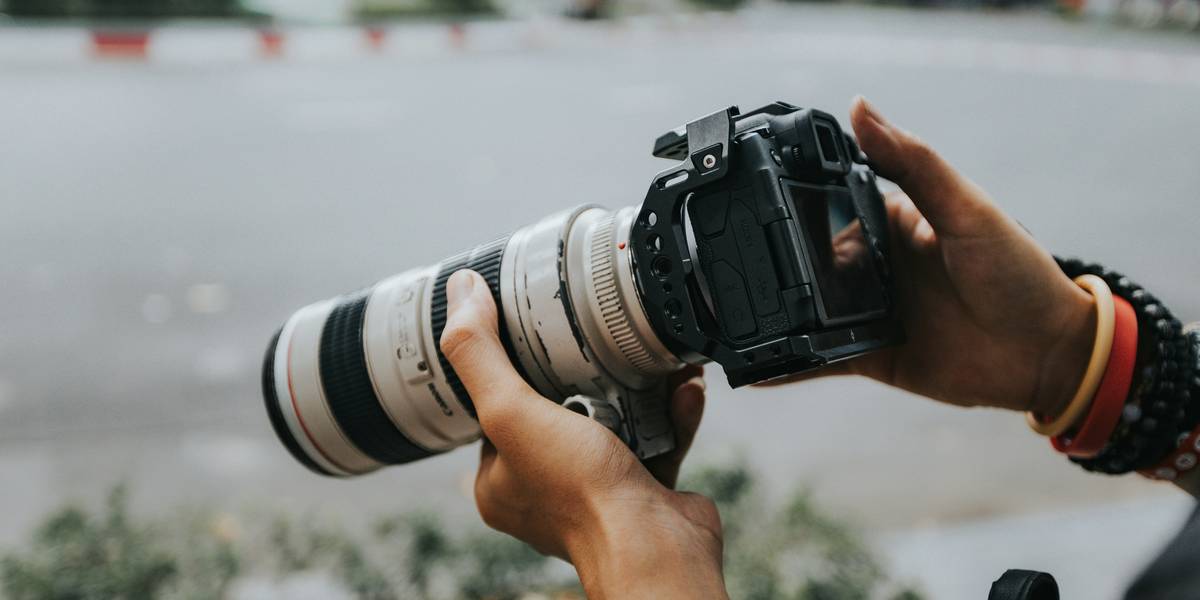
Your camera body is just a recorder—the lens is your eye. On rugged terrain, every ounce counts, and optical flaws amplify fast. A poor nature photography lens distorts edges, loses detail in shadows, or forces you into awkward positions to compensate. Worse, non-weather-sealed barrels invite dust and moisture that degrade performance permanently.
Step-by-Step: How to Choose the Perfect Lens for Wilderness Shooting
Assess Your Typical Terrain
Alpine zones demand reach (70–200mm); dense forests benefit from wide angles (16–35mm). Match focal range to your most frequented ecosystems.
Prioritize Weight and Durability
Avoid glass-heavy primes unless shooting static landscapes. Modern f/4 zooms like Canon’s RF 24–105mm weigh under 400g and survive downpours—critical when every gram strains your pack.
Validate Optical Performance
Check independent tests at sites like DPReview, which benchmarks sharpness, vignetting, and distortion across apertures. Don’t trust manufacturer claims alone.
Top Practices for Sharp, Reliable Outdoor Images
- Shoot in golden hour—but protect your gear: Early light is magical, but dew condenses fast. Store your nature photography lens in a sealed bag when transitioning from cold to warm air.
- Use aperture wisely: f/8–f/11 delivers peak sharpness for most lenses. Wider apertures (f/2.8) may soften corners—a fatal flaw in sweeping vistas.
- Avoid this terrible tip: “Just crop later.” Digital cropping sacrifices resolution. Get the framing right optically first.
- Carry minimal backups: One versatile zoom beats three specialized lenses you’ll never use mid-hike.
Real Results from Trail-Exposed Gear
Last summer, I tested two setups on the Pacific Crest Trail: a Sony 24–70mm f/2.8 GM and a lighter Tamron 28–75mm f/2.8. Both captured stunning alpine lakescapes, but the Tamron’s reduced weight saved my shoulders after day five—and its image stabilization outperformed in windy ridges. Post-processing revealed nearly identical sharpness at f/5.6. This mirrors findings from a National Park Service technical brief emphasizing system balance over maximal specs.
FAQs About Hiking Cameras and Lenses
What focal length is best for hiking photography?
A 24–70mm or 24–105mm equivalent covers 90% of scenarios—from tight canyon walls to distant peaks—without excessive swapping.
Do I need an f/2.8 lens for nature work?
Rarely. Most outdoor scenes are lit by ambient daylight where f/4–f/8 suffices. Save weight and cost unless you shoot nocturnal wildlife.
Are mirrorless cameras better than DSLRs for hiking?
Generally yes—lighter bodies pair well with compact lenses, and electronic viewfinders preview exposure in real time.
How do I prevent fogging inside my lens?
Seal your camera in an airtight zip bag before descending from high elevations. Let it acclimate slowly to avoid condensation.
Can I trust third-party lenses (Sigma, Tamron)?
Absolutely. Many match or exceed OEM optics at lower weights and prices—just verify weather sealing.
Ready to upgrade your trail shots without trashing your back? We’ve tested dozens of setups so you don’t have to. For personalized recommendations based on your favorite trails, reach out via our Contact Us page. And if you’re curious about our testing philosophy, our About Us section details our field-first approach. Rest assured, we never share your data—see our full Privacy Policy for transparency.
Remember: the best lens isn’t the sharpest—it’s the one you actually carry to the summit.