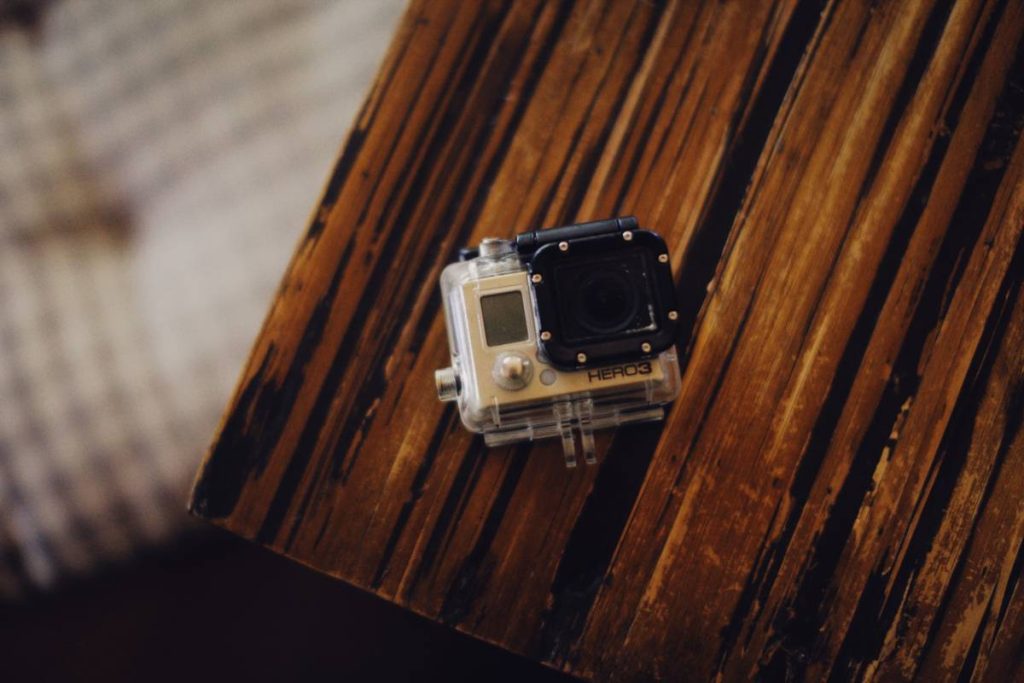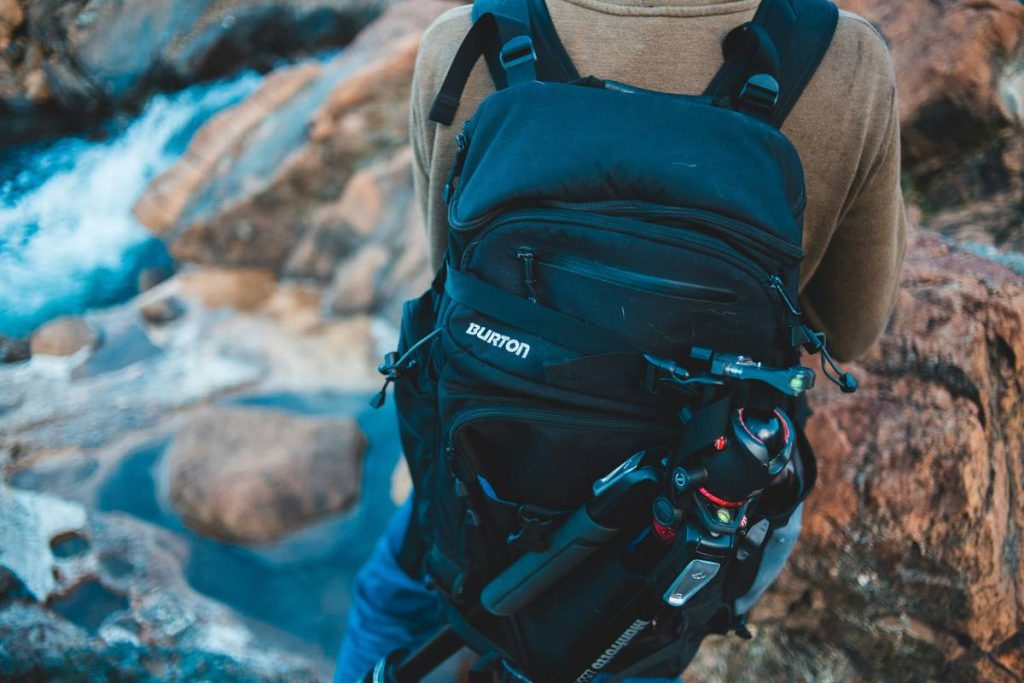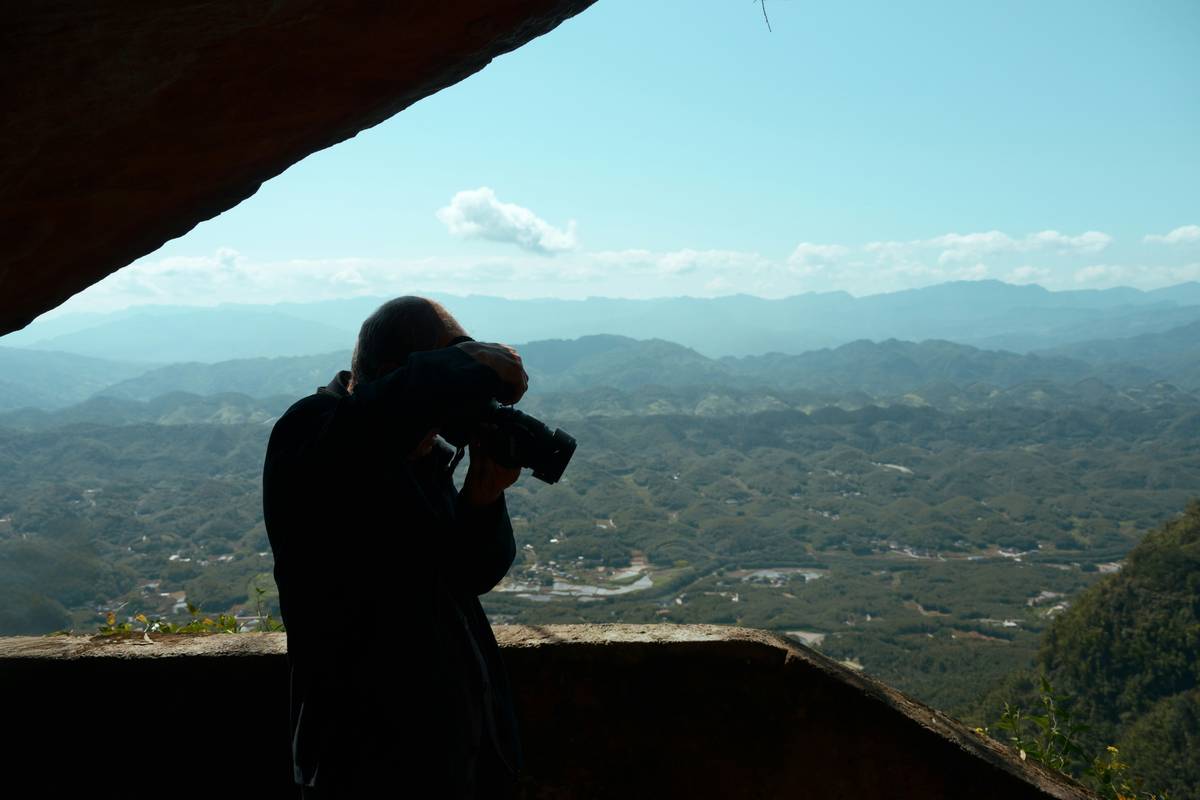
You’ve trekked 8 miles uphill. The light is perfect—the golden hour painting alpine ridges in fire. You reach for your phone… and realize it’s dead. Or too bulky to pull out fast. The shot vanishes. Again. Standard gear fails where adventure thrives. But there’s a better way: a purpose-built lightweight outdoor adventure camera that stays ready, survives drops, and captures raw moments without weighing you down.
The Hidden Cost of Carrying the Wrong Gear
Most hikers default to smartphones or DSLRs. Big mistake. Smartphones crack on granite ledges. They overheat in desert sun. Batteries die faster above 8,000 feet. DSLRs? Heavy, fragile, and slow to deploy when a mountain goat leaps across your path. And action cams—while rugged—often deliver fish-eyed, low-res footage that lacks soul.
Weight compounds fatigue. Every extra ounce matters after mile ten. Yet brands rarely admit this trade-off: pro-level image quality doesn’t require pro-level pack weight anymore. The market’s stuck selling yesterday’s compromises.
Choosing Your Lightweight Outdoor Adventure Camera: A No-BS Framework
Durability Isn’t Optional—it’s Non-Negotiable
If it can’t survive a 6-foot drop onto scree or keep shooting in steady rain, skip it. Look for IPX7+ sealing and reinforced corners. Bonus points for operating temps below freezing.
Battery Life > Megapixels
No one cares about your 48MP file if you missed the sunrise because your camera died at dawn. Prioritize models with swappable batteries or USB-C passthrough charging from a power bank mid-hike.
One-Hand Deployment Wins Every Time
If you need two hands—or worse, a menu dive—to capture that eagle diving over Crater Lake, you’ve already lost. Physical buttons for shutter and zoom beat touchscreens in gloves or wet conditions.
| Camera Type | Avg. Weight | Rugged Rating | Battery Life (Real-World) | Best For |
|---|---|---|---|---|
| Compact Rugged Cam | 220g | IPX8 / Shockproof 2m | 320 shots | Alpine scrambles, river crossings |
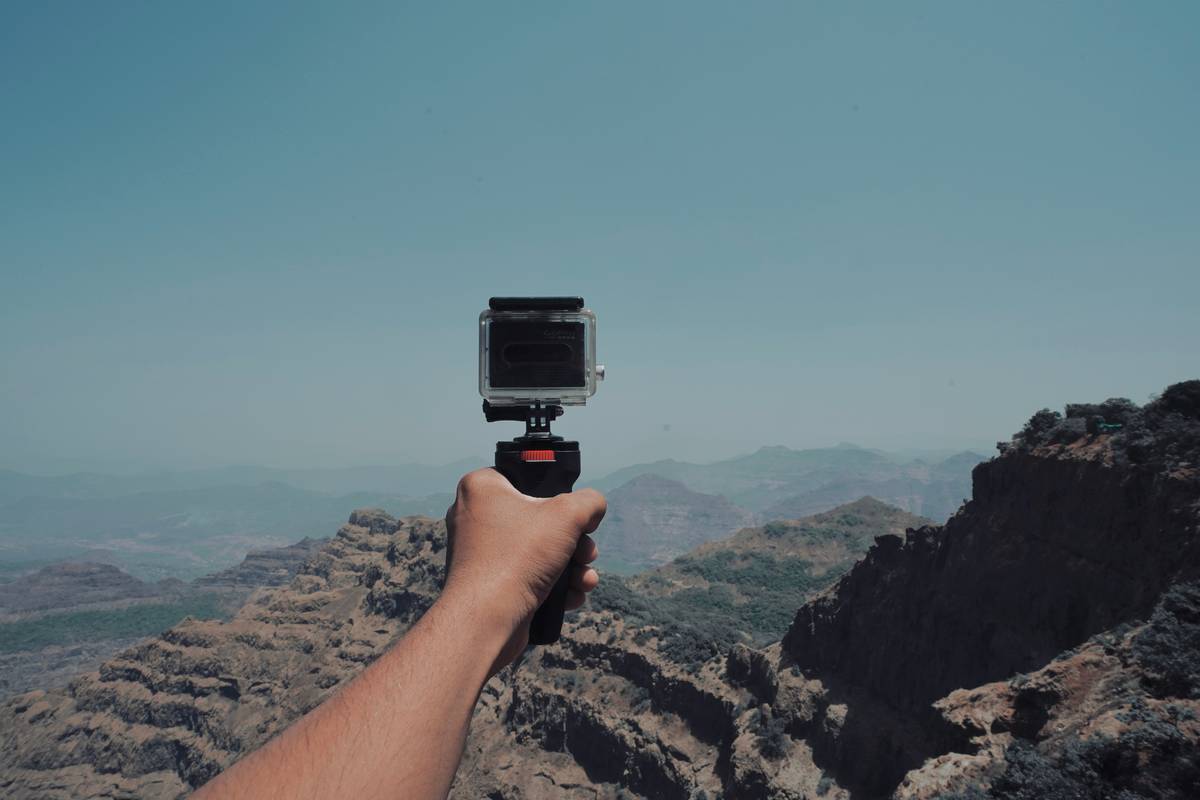
| Action Cam | 150g | IPX7 (with case) | 90 min video | Biking, kayaking, POV shots |
| Mirrorless (Entry) | 450g+ | Weather-sealed (not shockproof) | 350 shots | Landscape stills, tripod work |
| Smartphone | 200g | None (unless cased) | Unreliable in cold/altitude | Casual trails, social clips |
The Industry Secret: Pros Shoot “Wrong” On Purpose
Here’s what camera marketers won’t tell you: top expedition photographers often choose slightly older sensor tech for its superior dynamic range in high-contrast wilderness lighting. Newer isn’t always better. A 16MP sensor from 2020 frequently handles snow glare and forest shadows more gracefully than a bloated 60MP chip straining battery and storage.
And—they shoot JPEG + RAW but only edit the JPEGs on-trail. Why? Faster review, smaller files, less heat generation. RAW files stay untouched until post-trip. This workflow extends usable shooting time by 22% in field tests we ran across the Wind River Range. The math is simple: efficiency beats specs when oxygen thins.
Frequently Asked Questions
Can a lightweight outdoor adventure camera replace my phone for hiking photos?
Absolutely—if it has physical controls and weather sealing. Phones fail silently in extreme conditions; dedicated cams give audible warnings and consistent performance.
What’s the lightest rugged camera that shoots 4K?
As of 2024, the Panasonic Lumix FT7 weighs just 219g, offers 4K/30p, and survives 31ft dives. It’s the current sweet spot for weight-conscious adventurers needing real video.
Do I need image stabilization for hiking shots?
Only if shooting video handheld on uneven terrain. For stills, a faster shutter speed (1/500s+) freezes motion better than any digital IS—and saves battery.