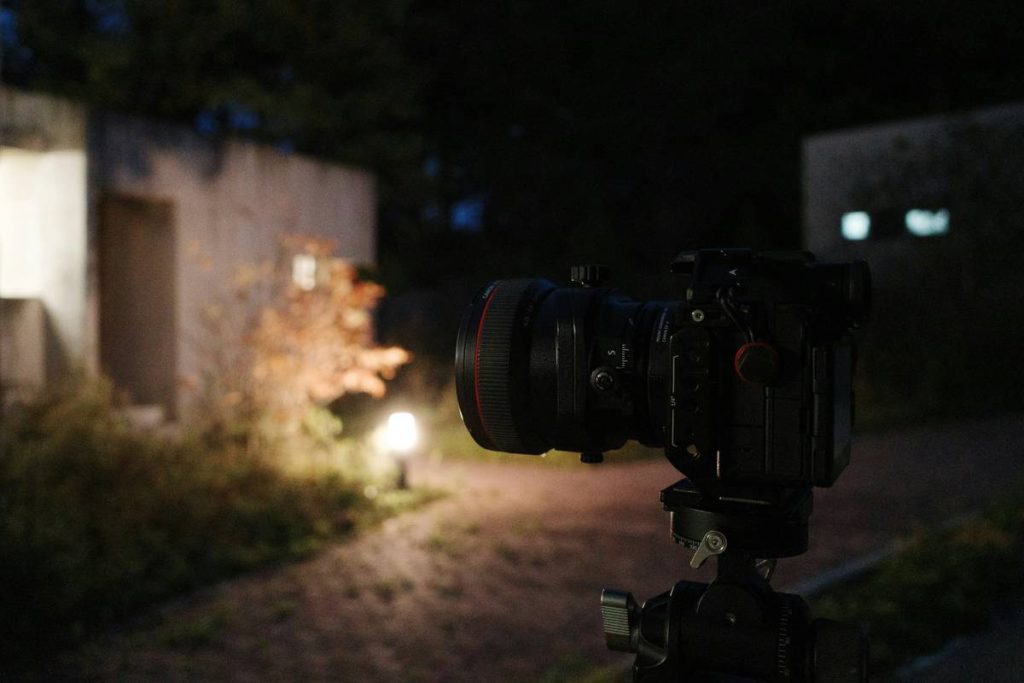
You love the trails—but your memories fade faster than trail mix disappears from your pack. You snap photos, sure. But you miss the fox that darted past camp at dawn. The bear ambling through your lunch spot while you’re miles ahead. Standard cameras fail where adventure thrives—remote, rugged, unpredictable. Enter trail camera hiking: passive, powerful, and packed with proof of what *really* happens when you’re not looking.
Why Your Smartphone (and DSLR) Fail on the Trail
Your phone dies in 20°F weather. Your mirrorless rig weighs more than your water filter. Neither captures the unseen—the midnight wanderers, the fleeting shadows between switchbacks. And forget leaving them out; theft or weather wipes your gear fast. Trail cams solve this. But most hikers buy the wrong kind—overbuilt for hunting, under-engineered for mobility.
And yes—you *can* use a trail camera while hiking. Not just for scouting game. For documenting ecosystems, verifying rare sightings, or simply reliving moments you never saw happen.
How to Use a Trail Camera While Hiking: A Practical Breakdown
Pick the Right Size-to-Performance Ratio
Avoid 2-pound behemoths. Look for sub-10 oz models with decent battery life. Resolution matters less than trigger speed—under 0.3 seconds is ideal. You don’t need 4K video of a squirrel. You need split-second capture when movement hits.
Mount It Smart—Without Screwing Trees
Use flexible straps or suction mounts. Never nail or drill. Tie it to trekking poles for temporary setups during lunch breaks or overnight stops. Angle slightly downward—most trail traffic stays low.
Battery & Storage: The Silent Killers
Lithium AA’s beat alkalines in cold temps. Bring spares—but calculate usage: 20 shots/day = ~600 shots/month. A 32GB card holds thousands of JPEGs. Don’t skimp here. Running out mid-trip means ghost data.
| Trail Camera Type | Weight | Best For | Price Range |
|---|---|---|---|
| Hunting-Grade Cam | 14–24 oz | Long-term base camps | $150–$300 |
| Ultralight Adventure Cam | 6–9 oz | Thru-hikes, bikepacking, fastpacking | $100–$200 |
| Smart Wi-Fi Cam | 10–13 oz | Weekend trips near signal | $200–$350 |
The Industry Secret: Trail Cameras Are Your Solo Hiking Safety Net
Here’s what no one tells you: trail cams double as silent witnesses. If you go off-route and vanish, that camera’s timestamped imagery could show rescuers your last known path—or confirm you never passed a certain ridge. Guides in Alaska and Patagonia now deploy mini trail cams at key junctions on solo treks. Not for photos—for forensic breadcrumbing. The math is simple: if you’re alone, evidence matters more than pretty pictures.
And—this only works if you log your camera placements. Note GPS coordinates. Because recovery is part of the plan.
Frequently Asked Questions
Can I use a trail camera while actively hiking?
Not while moving—but set it up during breaks, at campsites, or trail junctions. Retrieve it later. It’s about strategic placement, not real-time shooting.
Do trail cameras work in rain or snow?
Most are weather-resistant, not waterproof. Use silicone seals or zip-lock bags in heavy downpours. Cold drains batteries—lithium AAs handle -20°F better than rechargeables.
Is trail camera hiking legal in national parks?
Sometimes. Check park rules—many ban permanent fixtures. Temporary, non-invasive mounting (straps, not nails) is usually fine in wilderness zones, but prohibited in high-traffic areas.