You packed your boots, your water filter, even the backup compass. But your camera? It’s a fragile phone or a DSLR wrapped in bubble wrap like it’s heading to Mars. One slip on wet granite—and your summit shot becomes a $1,200 paperweight. A shockproof adventure camera isn’t a luxury. It’s your insurance policy against gravity, mud, and bad luck.
Why Regular Cameras Fail on the Trail
Most hikers treat their gear like museum pieces—handled with gloves, stored in padded cases, never exposed to rain. Reality check: trails don’t care. You’ll scramble over scree, wade through creeks, drop your pack while adjusting straps. Standard cameras crack. Lenses fog. Batteries die in cold air. And that “water-resistant” label? Usually means “survives one splash at the kitchen sink.”
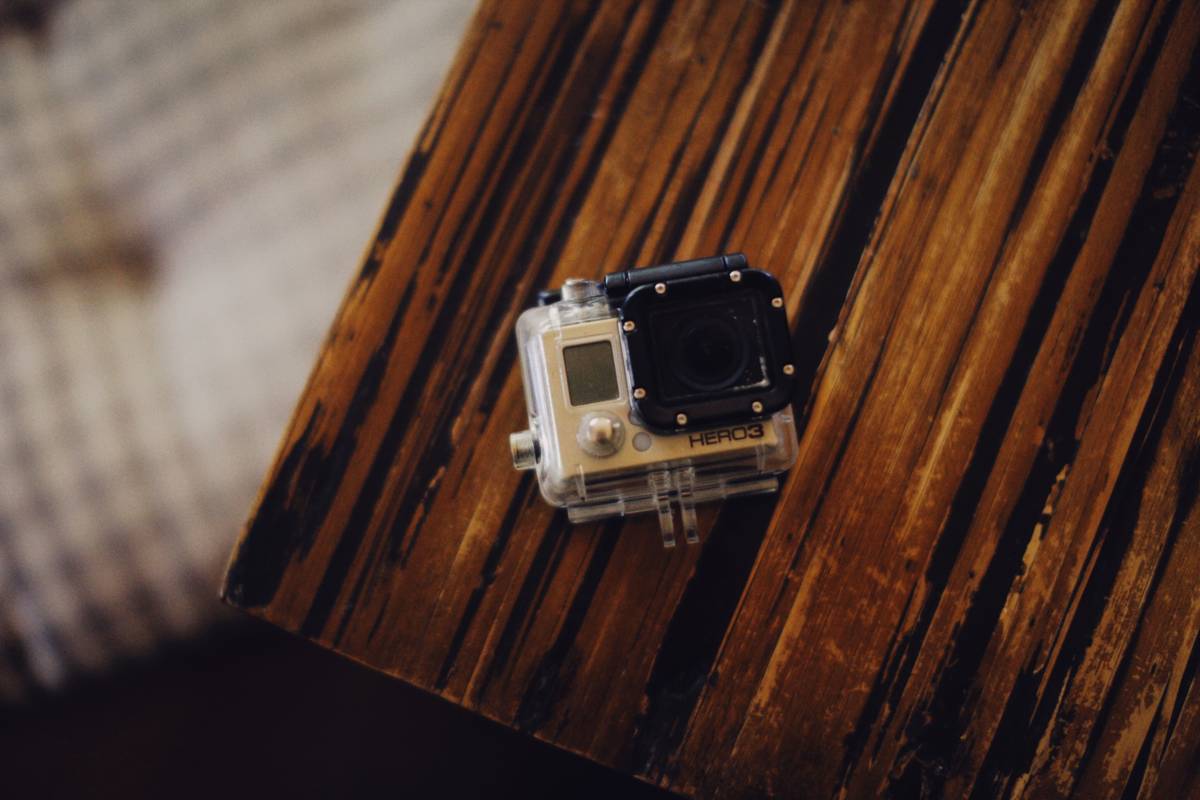
And here’s the kicker: even action cams like older GoPros aren’t truly shockproof—they rely on housings that add bulk and trap condensation. Real durability means no case needed. Just toss it in your pack and go.
How to Choose & Use a Shockproof Adventure Camera Like a Pro
Don’t just buy the most rugged-looking box. Think like a field biologist documenting remote terrain—not an Instagram influencer chasing filters.
Impact Resistance Isn’t Just About Drops
Shockproof means surviving repeated impacts from uneven terrain, not just a single 2-meter fall test. Look for MIL-STD-810H certification. That’s military-grade—tested against vibration, temperature shock, and blunt force. Consumer “rugged” claims? Often marketing fluff.
Battery Life Trumps Megapixels
On a three-day loop in the Sawtooths, would you rather have 48MP detail—or a working camera on Day 3? Cold drains lithium-ion fast. Prioritize models with removable batteries so you can carry spares (and keep them warm in your jacket).
Mounting Flexibility = More Shots
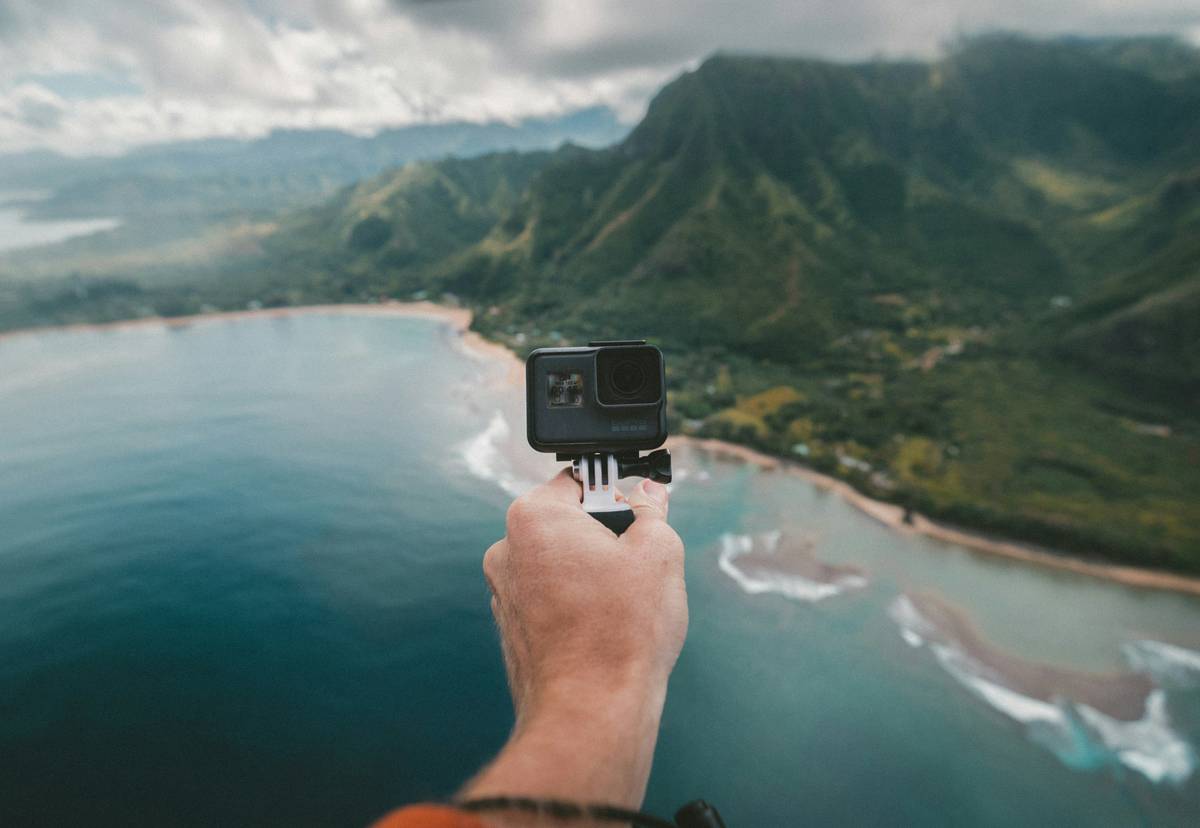
The best moments happen when your hands are full—scrambling up a chimney, crossing a log bridge. A true adventure camera integrates into your gear: helmet mounts, trekking pole clips, even drone compatibility. If it only sticks to flat surfaces with adhesive, skip it.
| Feature | Budget Pick (<$200) | Mid-Tier ($200–$400) | Pro-Grade (>$400) |
|---|---|---|---|
| Drop Rating | 1.5m (uncertified) | 2m (IP68 + MIL-STD) | 3m+ (tested in alpine conditions) |
| Operating Temp | 0°C to 40°C | -10°C to 50°C | -20°C to 60°C |
| Battery Swap | No | Yes (proprietary) | Yes (standard 18650 cells) |
| Raw Photo Output | No | Sometimes | Always |
The Industry Secret: Durability Lies in the Sensor Housing
Most brands advertise outer casing toughness—but the real failure point is internal. Vibration from hiking jostles lens elements and sensor mounts over time, causing micro-misalignment. Ever notice soft corners after a long trek? That’s why pro units use potting compound—a resin seal that locks internals in place like fossils in amber. Few manufacturers disclose this. Ask before you buy. If they hesitate, walk away.
Also—avoid cameras with moving parts (zoom lenses, flip screens). Every hinge is a weak point. Fixed prime lenses? Nearly indestructible.
Frequently Asked Questions
Can a shockproof adventure camera replace my smartphone for hiking photos?
Yes—if you prioritize reliability over instant social sharing. These cameras lack apps but survive drops phones never will.
Are all waterproof cameras also shockproof?
No. Waterproofing seals out liquid; shockproofing absorbs kinetic energy. Many underwater housings crack on impact. Check specs for both ratings.
Do I need extra accessories for rough terrain?
Only if your model lacks integrated mounts. The best shockproof adventure cameras include strap lugs, tripod threads, and magnetic bases out of the box.